
The Plain-English Definition
A copilot waits for the next prompt. An agent takes an objective, follows steps, uses tools, and moves the work toward a result.
For a small company, that difference matters only if the workflow is real. “Help with marketing” is too vague. “Review new leads, score them, draft replies, and wait for approval” is agentic work.
Why Small Teams Care
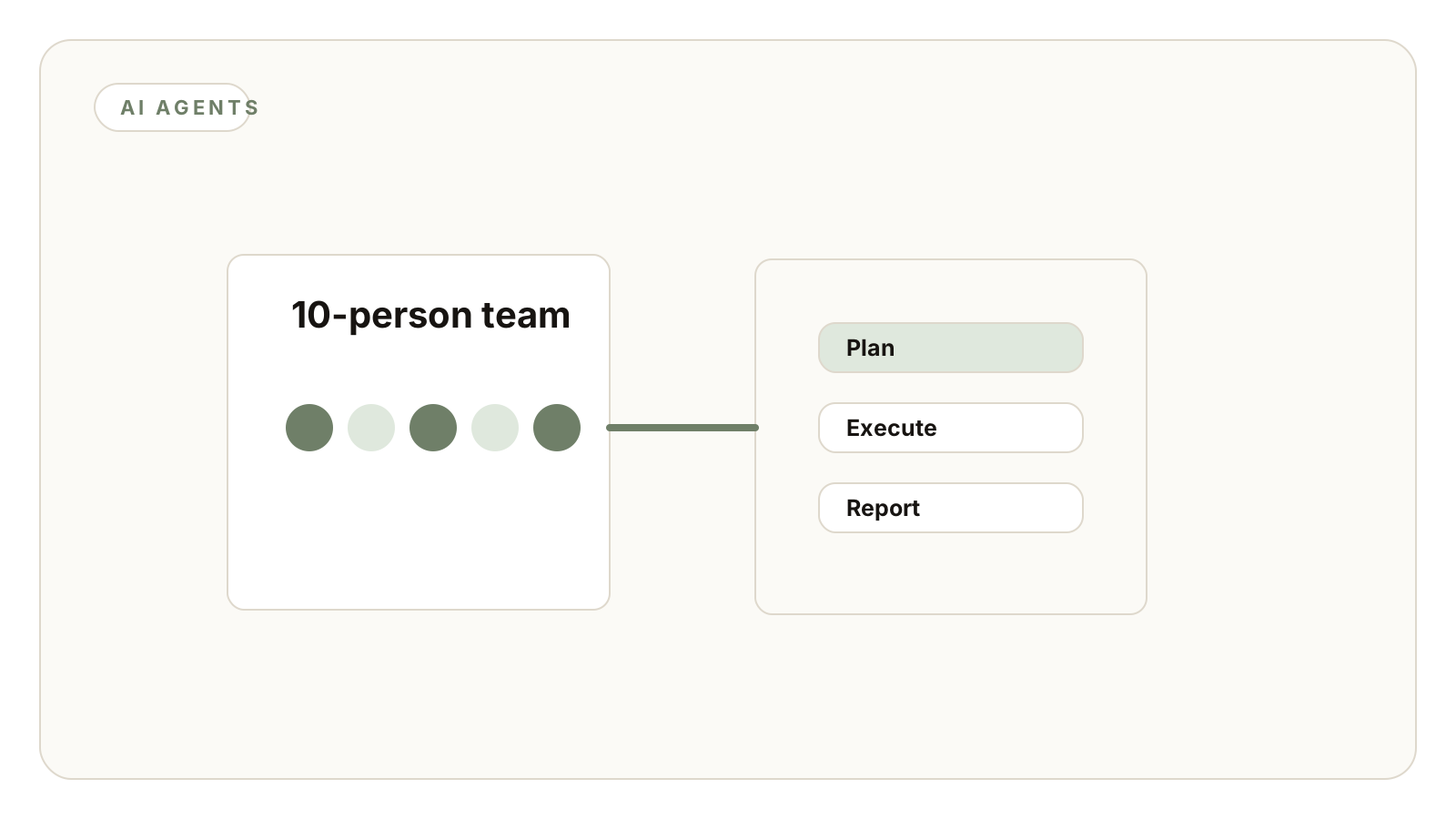
A 10-person company usually has more recurring tasks than people to own them. Follow-ups, reports, intake, summaries, and handoffs all compete with sales, delivery, and customer work.
Agentic AI helps when it removes repeatable drag without taking judgment away from the people who are accountable.
The Safe Shape
The safe shape is objective, tools, boundaries, review. Tell the agent what outcome to prepare, which systems it can touch, what it must never do, and where a human must approve.
Without those limits, agentic AI becomes a guessing machine with access to your business systems.
Where To Start
Start with one workflow that is repetitive, low-risk, and easy to inspect. Weekly reporting, inbox triage, lead routing, and internal research are good first candidates.
Do not start with anything that sends money, makes legal commitments, or publishes publicly without a review gate.
Frequently Asked Questions
It is AI that can work through a defined multi-step task instead of only answering one prompt at a time.
Not fully autonomous ones. Most small teams need approval-gated agents that prepare work and stop before risky actions.
Choose a repeatable internal task with clear inputs and low downside, such as weekly reporting or lead routing.