
The Chatbot Ceiling
A chatbot is useful for questions. It is weak as an operating system because every task comes back to one conversation window and one human driver.
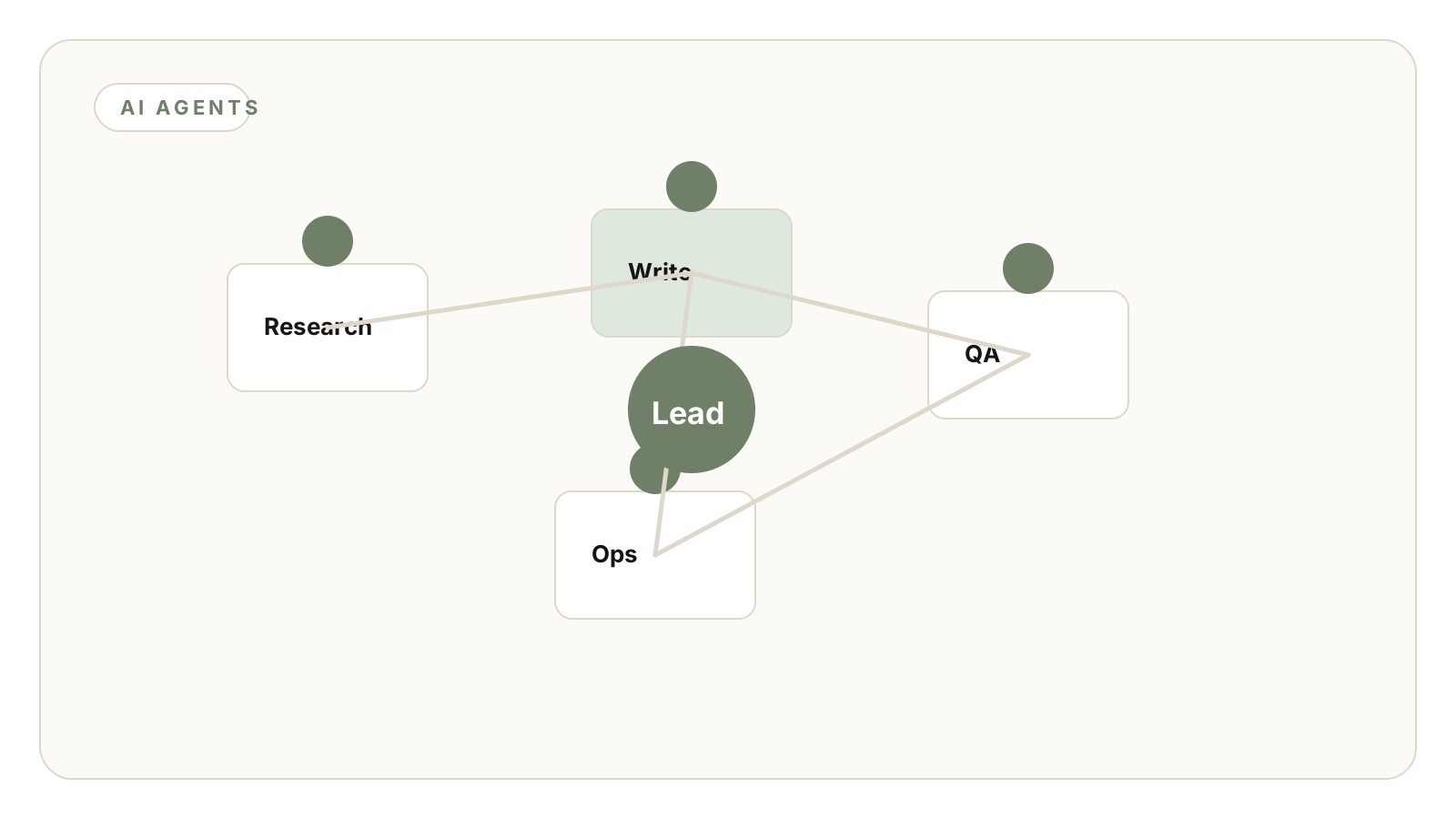
Real workflows need roles. One part gathers context, one drafts, one checks, one routes, and one waits for approval.
The Agent-Team Pattern
Think in small roles. A researcher gathers facts. A writer turns them into a draft. A verifier checks against rules and source material. A router sends the output to the right queue.
The orchestrator does not need to be mysterious. It is simply the workflow that decides which role runs next and when a human must review.
Where It Works
This pattern fits recurring work with clear handoffs: content production, sales research, weekly reporting, onboarding, ticket triage, and document processing.
It does not fit fuzzy strategy work where the real task is deciding what should happen in the first place.
How To Build The First Crew
Pick one workflow, write the roles, define inputs and outputs, and decide which step needs approval. Keep the first version small enough to inspect.
If you cannot tell which agent made a mistake, the system is too complex. Reduce the roles until the workflow is easy to debug.
Frequently Asked Questions
No. Use one chatbot for simple Q&A. Use specialized agents when the work has multiple repeatable steps.
Usually two to four. Add more only when the handoff is clear and the output improves.
Place approval before any external-facing, irreversible, or high-risk action.