
What The Brief Should Do
The job of a morning brief is not to tell you everything. It is to remove the first thirty minutes of hunting across tabs.
A useful brief answers three questions: what changed overnight, what needs a decision, and what is safe to ignore for now.
Inputs Worth Pulling
Start with calendar, inbox, CRM updates, support tickets, website alerts, ad spend changes, sales pipeline changes, and any system that can break while nobody is watching.
Keep the input list narrow at first. A brief with ten sources and no ranking is just another inbox.
The Workflow
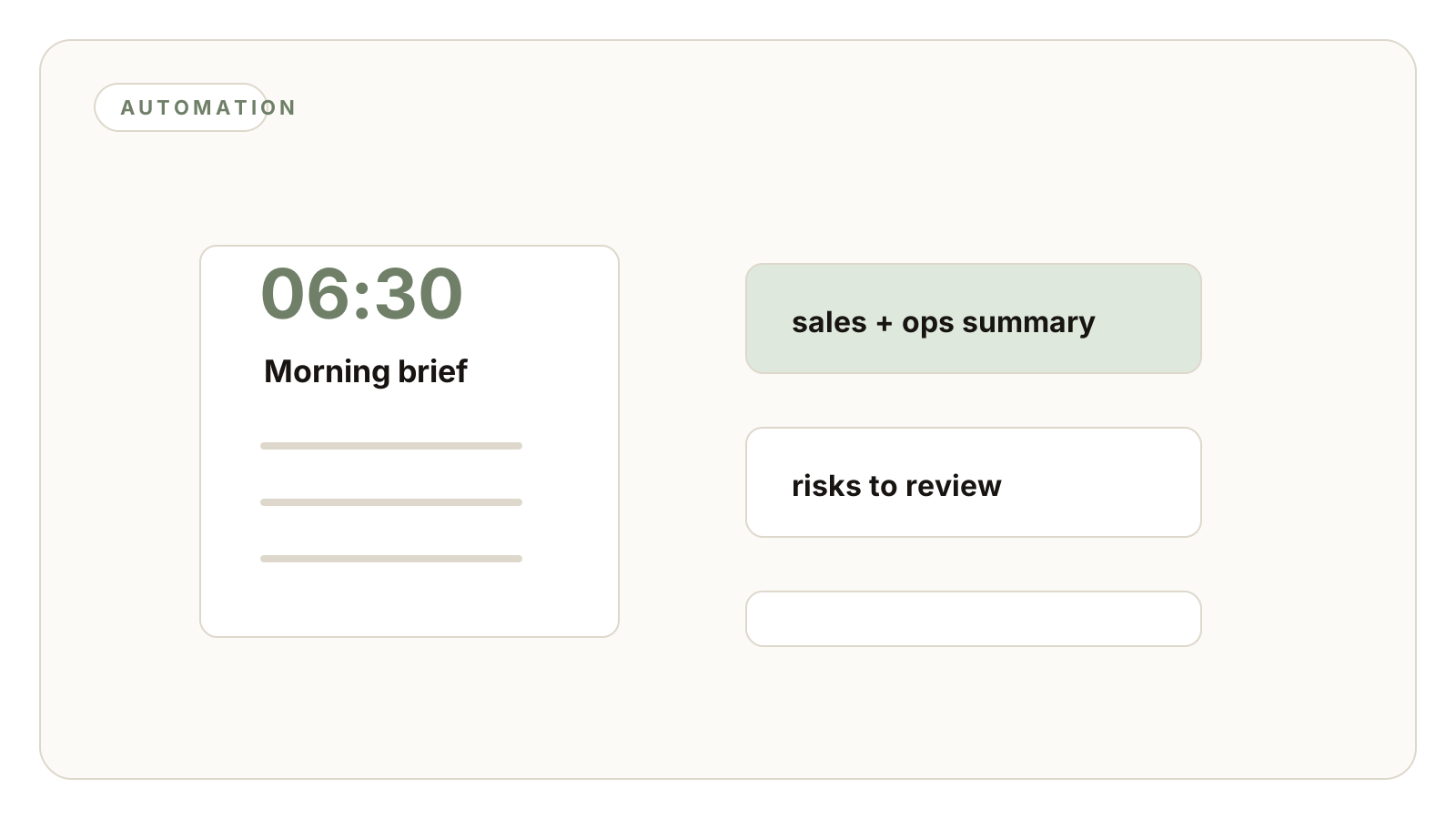
Schedule the agent before the workday starts. Pull the sources, summarize changes, group by urgency, and send one message to the founder or operator.
Add links back to the source records. The brief should be a control panel, not an unsupported opinion.
What To Guard Against
Do not let the agent write confident summaries without showing where the signal came from. Also avoid long narrative updates that nobody reads.
The best format is short, structured, and ruthless: decisions first, risks second, background last.
Frequently Asked Questions
Start with three to five. Add more only when the existing brief is consistently useful.
Not at first. Let it summarize and recommend. Add actions later with explicit approvals.
Use the channel the operator already checks first: email, Slack, Telegram, or a task inbox.