
The Sales Bottleneck
Most small teams do not lose leads because they lack ambition. They lose leads because intake is messy. Forms, emails, referrals, demo requests, and spreadsheet rows arrive in different places.
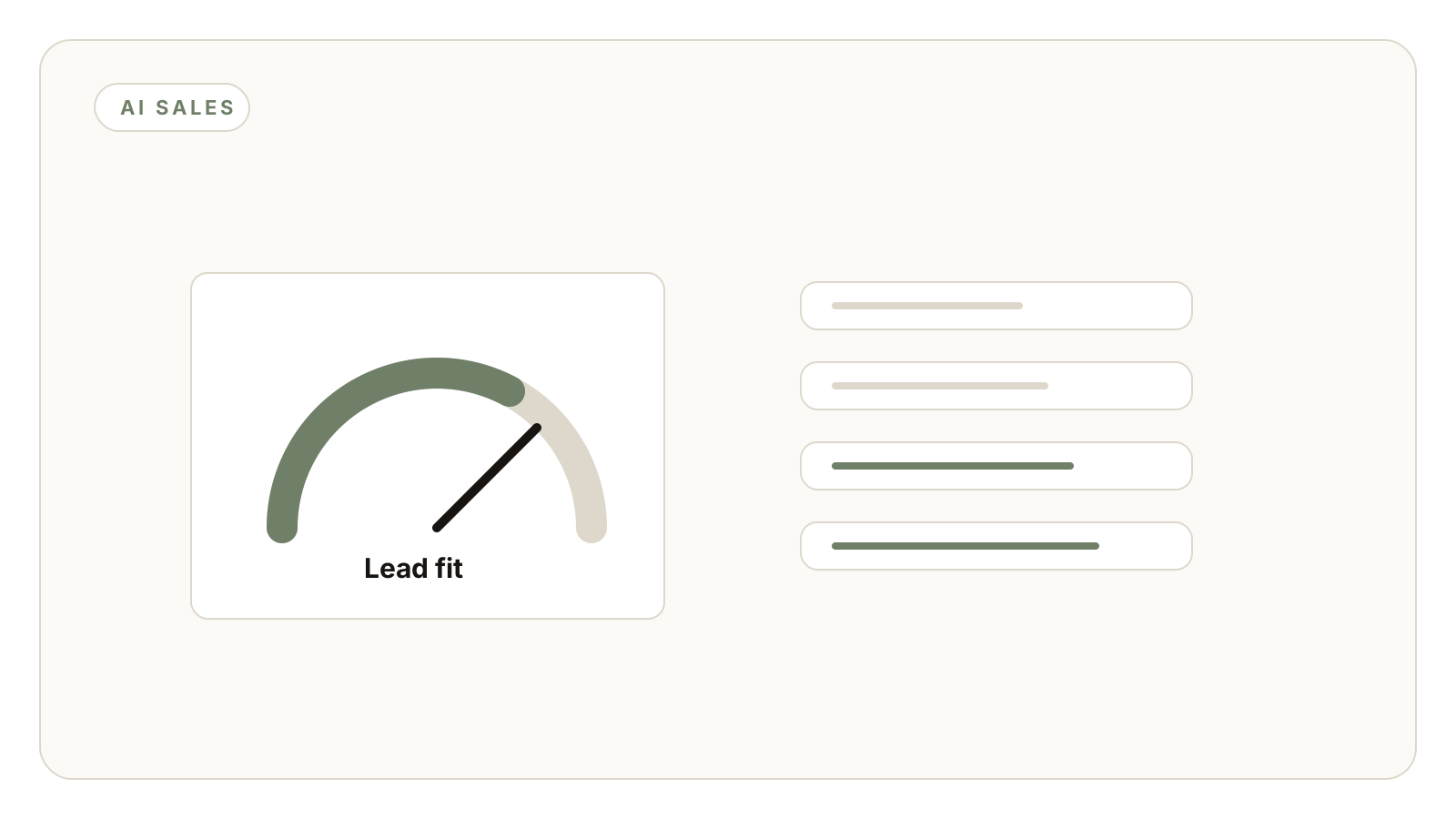
AI lead scoring is useful when it turns that mess into a ranked queue the team can act on.
What The Agent Should Score
Start with fit, intent, urgency, and route. Fit means company size, role, geography, service need, and whether the lead matches your real customer profile.
Intent means what they asked for, how specific the request is, and whether they have shown buying signals. Urgency is about timing. Route tells you who should handle the next step.
Keep The Human In The Loop
The automation should recommend priority and next action. It should not silently disqualify leads unless the rule is extremely clear.
Sales judgment still matters. The system should make review faster by showing why a lead was scored, not hide the reasoning in a black box.
A Simple Build Pattern
Pull new leads into one table, enrich what you can, score against a written rubric, draft the recommended reply, and notify the right owner.
Review outcomes weekly. If low-scored leads keep converting, fix the rubric. If high-scored leads waste time, tighten the signals.
Frequently Asked Questions
Usually no. Start by using AI to prioritize and route leads, with humans reviewing anything uncertain.
At minimum: source, service need, company context, role, urgency, and any previous interaction history.
Compare scores with actual sales outcomes and revise the rubric every week until the queue reflects reality.